What We Assess
We offer four IGDI measure that measure Communication, Movement, Problem Solving, and Socialization. Read about each one below and decide which is the best fit for your program!
Early Communication Indicator (ECI)
Play
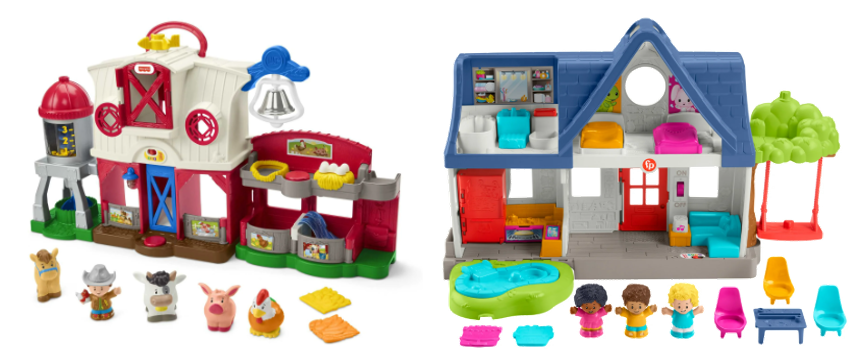
The ECI uses one of two toy sets, the Fisher-Price Barn or House, which promote play and communication between the child and the teacher or parent
Measure
A child’s ability to express themselves through gestures and vocalizations (Preverbal), as well as single and multiple words (Verbal).
Results
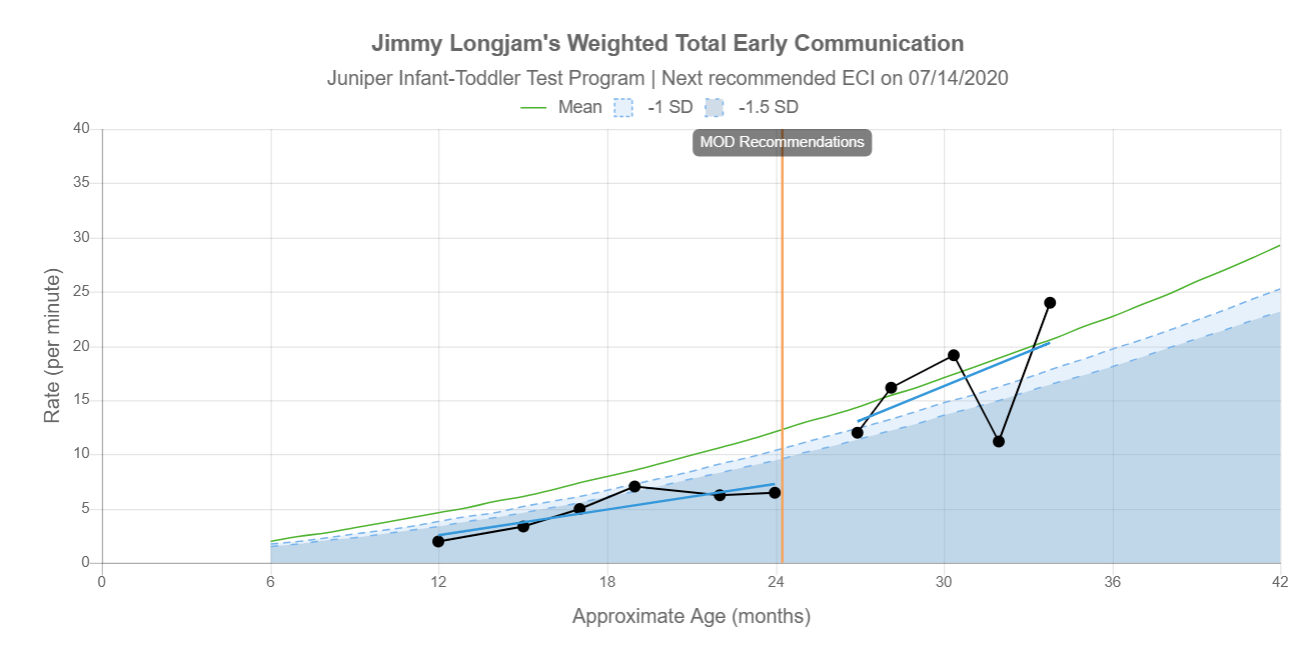
When you complete an ECI, you’ll see the child’s score graphed alongside average scores for children of the same age
Early Movement Indicator (EMI)
Play
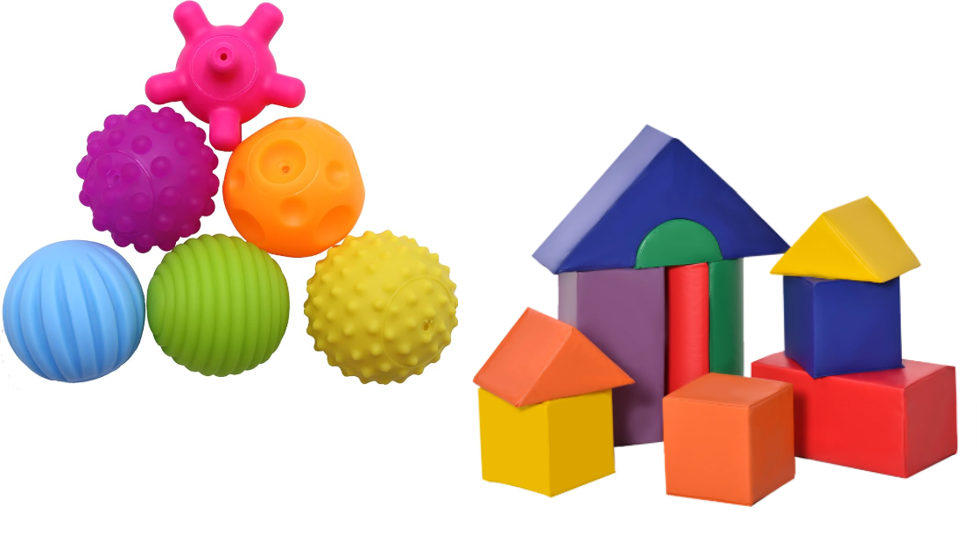
The EMI uses play balls alongside either foam blocks, a pop-up tent, or stepping stones
Measure
A child’s ability move through transitions, crawling and walking (locomotion), and throwing and catching (object control)
Results
When you complete an EMI, you’ll see the child’s score graphed alongside average scores for children of the same age

Early Problem Solving Indicator (EPSI)
Play
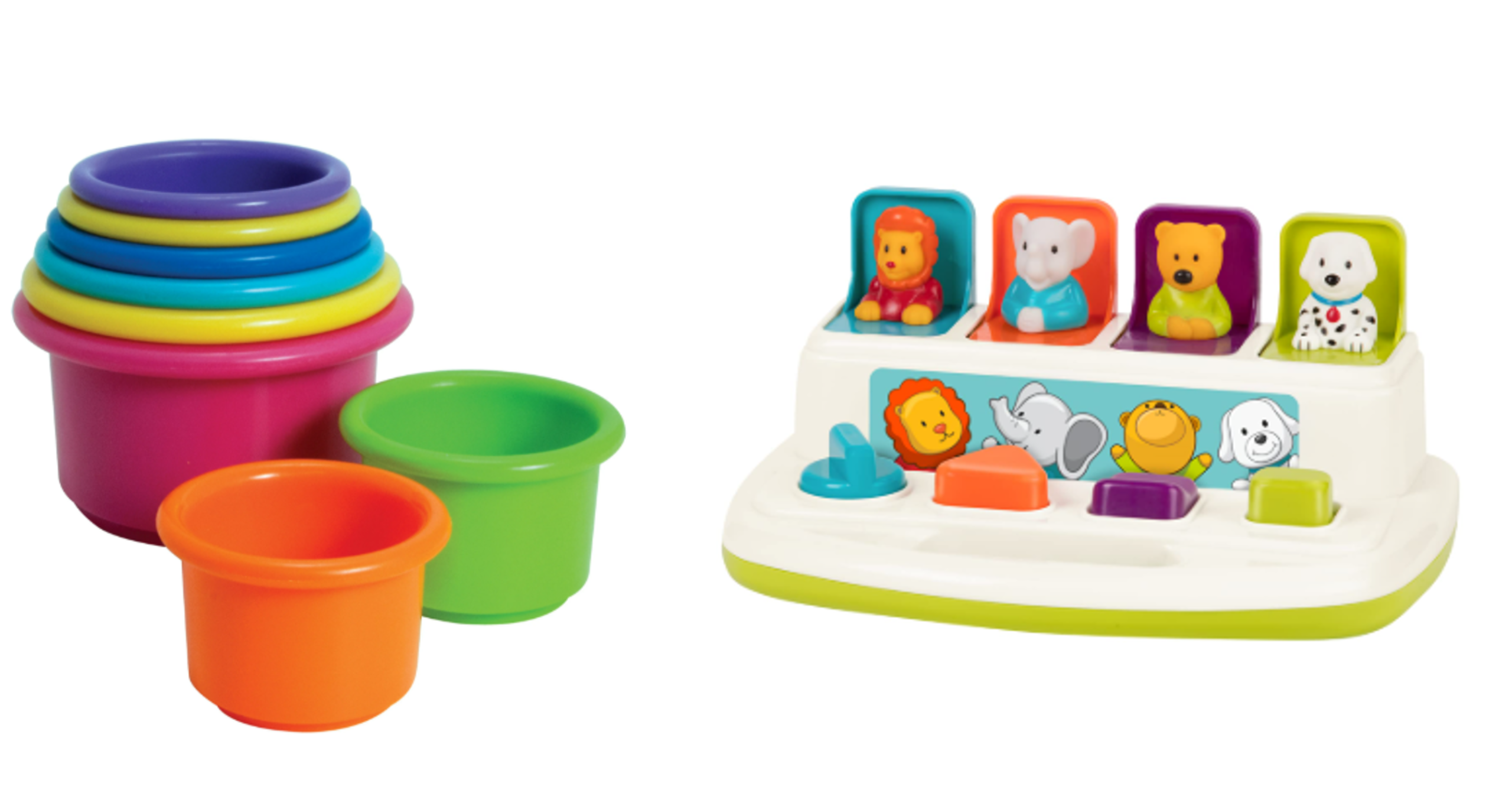
The EPSI uses stacking cups, a pop-up toy, and either a gumball machine toy or a pound-a-ball.
Measure
A child’s problem solving ability through visual exploration, object manipulation, and toy solutions.
Results
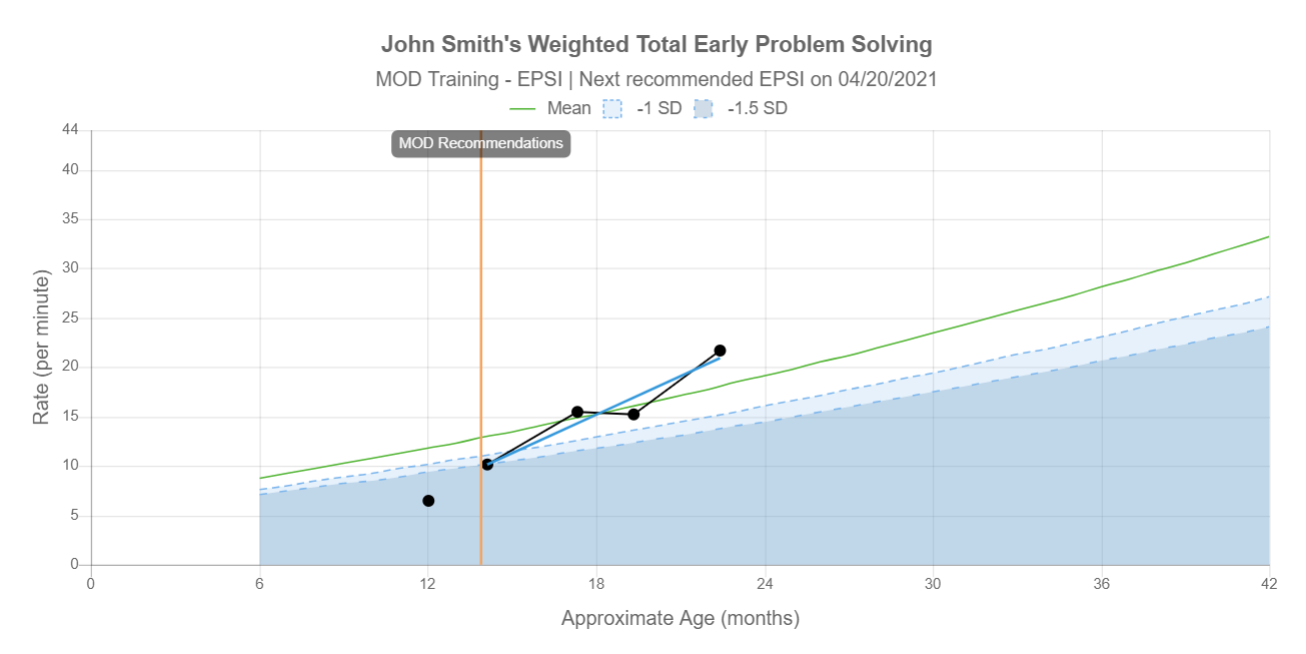
When you complete an EPSI, you’ll see the child’s score graphed alongside average scores for children of the same age
Early Social Indicator (ESI)
Play
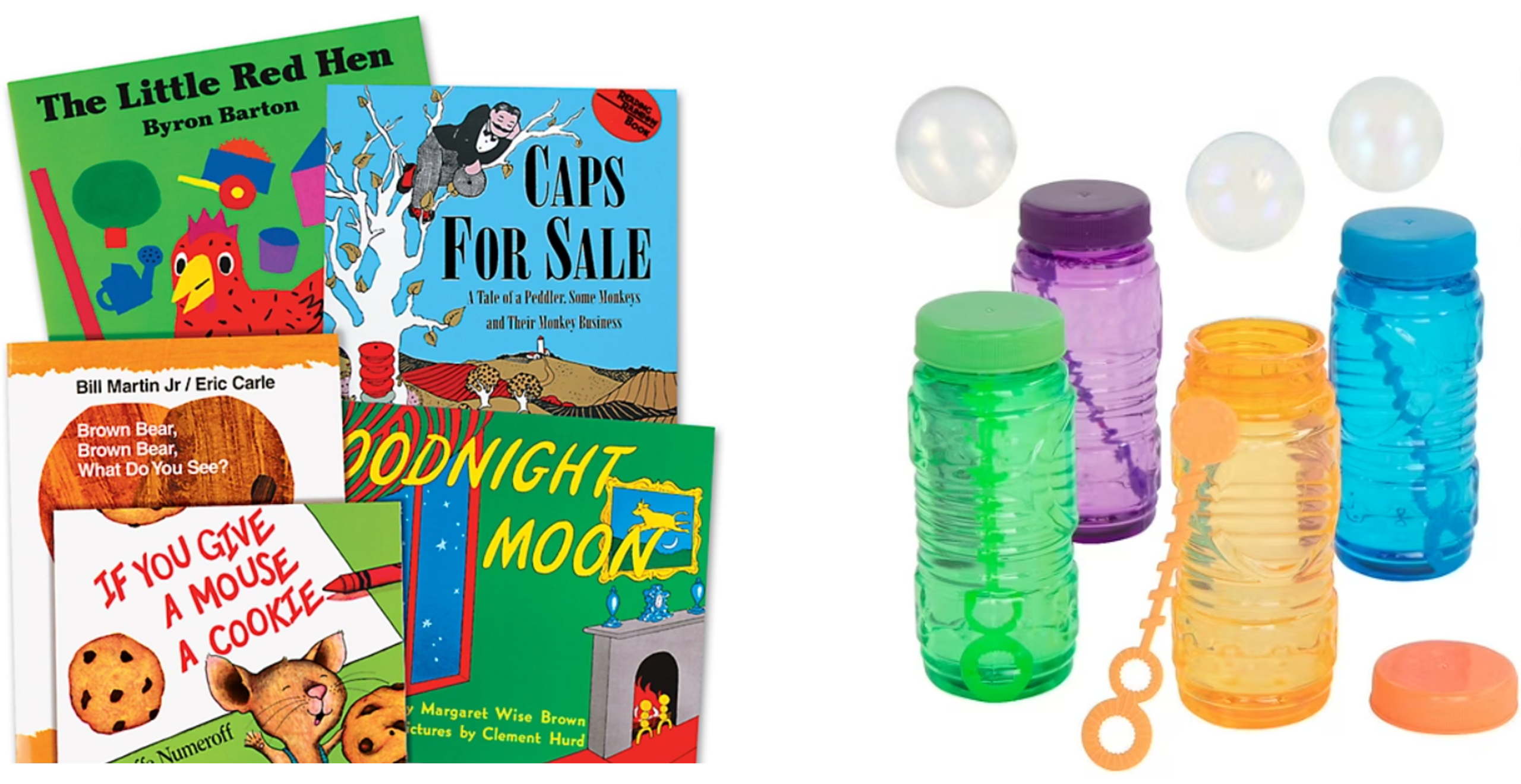
The EPSI uses children’s books, foam blocks, and bubbles.
Measure
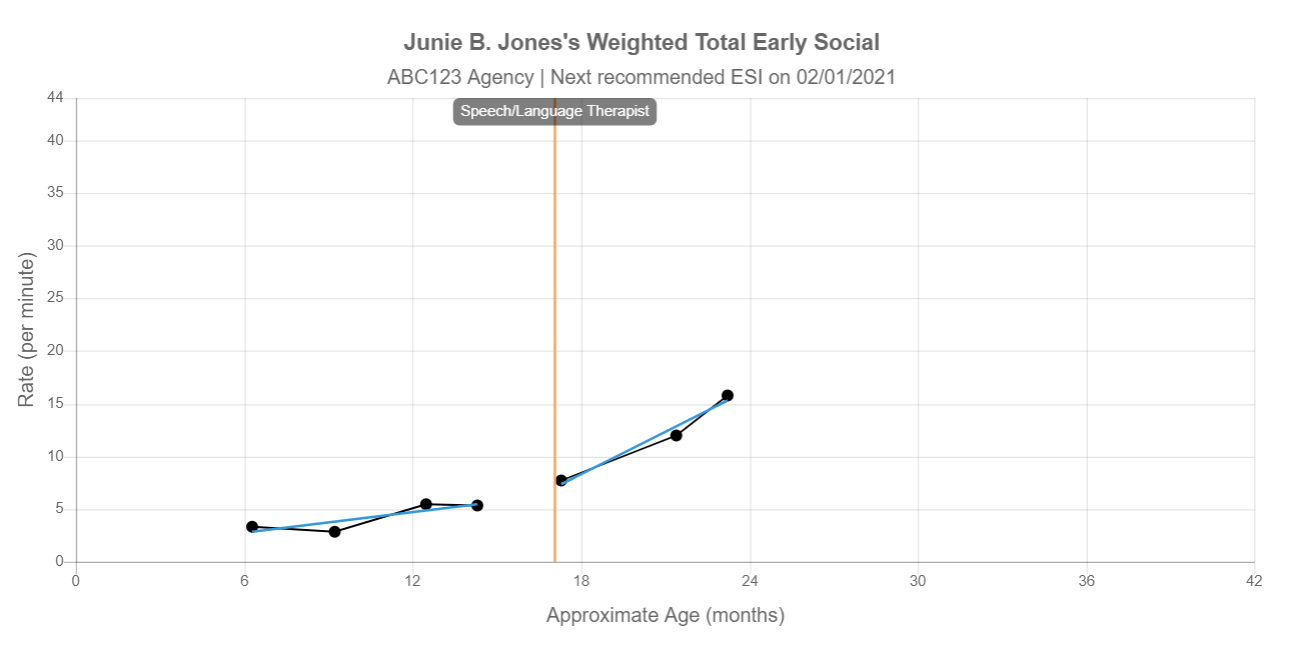
A child’s social skills through facial attention, social gestures, and verbal requests (joint attention) as well as physical contact, vocalizations, and words (social communication).
Results
When you complete an ESI, you’ll see the child’s score graphed. Average scores for children of similar ages are in development!